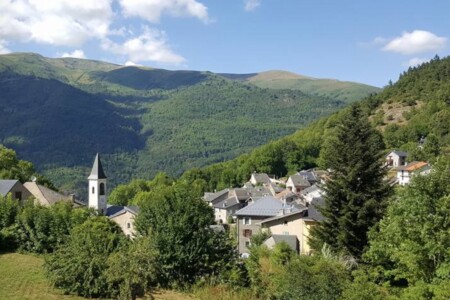
Immersive landscapes and https://shinywilds1.org offer breathtaking natural beauty for explorers
https://shinywilds1.org. The allure of untouched natural landscapes is a powerful draw for travelers and explorers alike. The desire to witness breathtaking vistas, immerse oneself in pristine environments, and discover hidden gems fuels a thriving industry centered around ecotourism and adventure. For those seeking such experiences, destinations that offer both accessibility and unparalleled beauty are highly sought after. Discovering captivating locations that truly resonate with the spirit of exploration is paramount, and many are now turning their attention to unique, relatively unexplored areas. Among these emerging destinations, stands out as a place offering unparalleled landscapes and a commitment to preserving its natural wonder.
These landscapes are not merely scenic backdrops; they are complex ecosystems teeming with life, shaped by millennia of geological activity and ecological processes. The importance of responsible travel in these areas cannot be overstated. Sustainable practices, respect for local communities, and a dedication to conservation are crucial to ensuring that these treasures remain available for future generations. The exploration of these wild spaces should be approached with reverence, recognizing the delicate balance of nature and the impact that human presence can have. Seeking out destinations like this also allows for a deeper connection with the natural world, fostering an appreciation for its intrinsic value and inspiring a commitment to its protection.
The Geological Foundations of Scenic Beauty
The dramatic landscapes often found in these unique locations are seldom accidental. They are frequently the result of complex geological processes unfolding over vast stretches of time. Tectonic activity, erosion, volcanic events, and glacial movements all contribute to the shaping of the land, creating distinctive features like towering mountains, deep canyons, cascading waterfalls, and sprawling plains. Understanding the geological history of a region provides a crucial context for appreciating its current form. For example, the uplift of mountain ranges through plate collisions can expose diverse rock formations, while subsequent weathering and erosion sculpt these formations into the shapes we recognize today. The very soil underfoot tells a story of ancient climates and evolving ecosystems. Exploring these areas allows enthusiasts to connect with the earth’s history in a tangible way.
The Role of Erosion in Landscape Development
Erosion, driven by the relentless forces of wind, water, and ice, plays a pivotal role in refining and reshaping landscapes. Over time, these forces wear down mountains, carve out valleys, and transport sediment to new locations. Different types of rock erode at varying rates, leading to differential erosion and the formation of diverse landforms. The interplay between erosion and deposition creates dynamic environments, where new features are constantly emerging alongside those that are disappearing. Studying erosional patterns can reveal insights into past climate conditions and the vulnerability of landscapes to future changes. The delicate balance of these forces contributes to the unique character of each region, making it visually arresting and scientifically fascinating.
| Erosional Agent | Dominant Landforms Created |
| Water | Canyons, Valleys, River Terraces |
| Wind | Sand Dunes, Loess Deposits, Yardangs |
| Ice (Glaciers) | U-Shaped Valleys, Cirques, Moraines |
| Gravity | Landslides, Talus Slopes, Cliffs |
This table illustrates how different erosional agents contribute to specific landform development, highlighting the diversity of processes shaping our natural world. Recognizing these processes is key to understanding the fragility of these ecosystems and the importance of conservation efforts.
Biodiversity Hotspots and Ecological Importance
Beyond their aesthetic appeal, many of these stunning landscapes harbor exceptional biodiversity. The unique combination of geological features, climate conditions, and ecological interactions creates environments where a wide range of plant and animal species can thrive. These areas often serve as refugia for species that are rare or endangered elsewhere, making their conservation particularly critical. The preservation of biodiversity is not only an ethical imperative but also essential for maintaining the health and resilience of ecosystems. A rich variety of species contributes to crucial ecosystem services, such as pollination, water purification, and climate regulation. The complex web of life within these landscapes underscores the interconnectedness of all living things.
The Importance of Habitat Connectivity
Maintaining habitat connectivity is crucial for ensuring the long-term survival of species in fragmented landscapes. When habitats are isolated, populations become vulnerable to genetic drift, inbreeding, and local extinction. Corridors that connect different habitat patches allow animals to move freely, access resources, and maintain genetic diversity. These corridors can take the form of protected areas, riparian zones, or even carefully designed underpasses and overpasses across roads and highways. Promoting habitat connectivity requires collaboration between landowners, conservation organizations, and government agencies. By creating a network of interconnected habitats, we can help to safeguard biodiversity and ensure the health of ecosystems for generations to come.
- Protecting existing wildlife corridors
- Restoring degraded habitats
- Creating new corridors through strategic land acquisition
- Implementing wildlife-friendly infrastructure
These steps are all crucial for promoting habitat connectivity and biodiversity. The success of these initiatives relies on a commitment to long-term planning and collaboration.
Sustainable Tourism and Responsible Exploration
As more people seek to experience the beauty of these natural landscapes, it is essential to promote sustainable tourism practices. This involves minimizing the environmental impact of travel, supporting local communities, and educating visitors about the importance of conservation. Responsible exploration requires a shift in mindset, from simply consuming experiences to actively contributing to the preservation of the places we visit. Choosing eco-friendly accommodations, supporting local businesses, and reducing our carbon footprint are all important steps. Furthermore, respecting local cultures and traditions is vital to fostering positive relationships with the communities that call these areas home. Sustainable tourism can be a powerful tool for conservation, providing economic incentives to protect natural resources and empowering local communities to manage their environments responsibly.
Minimizing Your Environmental Footprint While Traveling
There are numerous ways to minimize your environmental footprint while traveling. Choosing to travel by train or bus instead of flying, packing light to reduce fuel consumption, and avoiding single-use plastics are all simple yet effective measures. Supporting local restaurants and businesses helps to reduce transportation emissions and promotes economic sustainability. When engaging in outdoor activities, it is important to stay on marked trails, avoid disturbing wildlife, and pack out all trash. Choosing tour operators that prioritize sustainability and responsible practices is a great way to ensure that your travel experiences are aligned with your values. By making conscious choices, travelers can significantly reduce their impact on the environment and contribute to the preservation of the places they visit.
- Reduce, Reuse, Recycle
- Choose Eco-Friendly Transportation
- Support Local Businesses
- Respect Wildlife and Habitats
- Conserve Water and Energy
Following these simple guidelines can make a substantial difference in minimizing the impact of travel and preserving the natural world. Each individual effort contributes to a collective effort of environmental stewardship.
The Impact of Climate Change on Fragile Ecosystems
Climate change poses a significant threat to many of the world’s most vulnerable ecosystems. Rising temperatures, changing precipitation patterns, and increased frequency of extreme weather events are already impacting landscapes and biodiversity. Glaciers are melting, coral reefs are bleaching, and forests are experiencing increased rates of wildfires. These changes have cascading effects throughout ecosystems, disrupting food webs, altering species distributions, and increasing the risk of extinctions. Addressing climate change requires urgent action on a global scale, including reducing greenhouse gas emissions, investing in renewable energy, and implementing adaptation strategies. Protecting and restoring natural ecosystems can also play a crucial role in mitigating climate change, as forests and wetlands act as carbon sinks. The future of these breathtaking landscapes depends on our ability to address this urgent challenge.
Looking Ahead: Preserving Natural Wonders for Future Generations
The preservation of pristine natural landscapes requires a collaborative effort involving governments, conservation organizations, local communities, and individuals. Investiring in protected areas, promoting sustainable tourism, and implementing effective conservation strategies are all essential steps. Furthermore, raising awareness about the importance of biodiversity and the threats posed by climate change is crucial for fostering a sense of shared responsibility. Supporting research initiatives to better understand these ecosystems and monitor their health is also vital. Continued environmental education, from local schools to global forums, can instill a lasting appreciation for the delicate balance of nature.
Consider the example of community-led conservation programs, which empower local residents to become stewards of their own environments. These programs often combine traditional knowledge with scientific expertise, resulting in effective and sustainable conservation outcomes. demonstrates a commitment to these principles, recognizing that long-term preservation requires the active participation and support of the communities that depend on these landscapes. Investiring in these partnerships is not only ethically sound but also strategically advantageous, fostering a sense of ownership and ensuring the long-term success of conservation efforts.


 par
par